

Ice Damming: What It Is, Why It Happens, and How to Prevent It
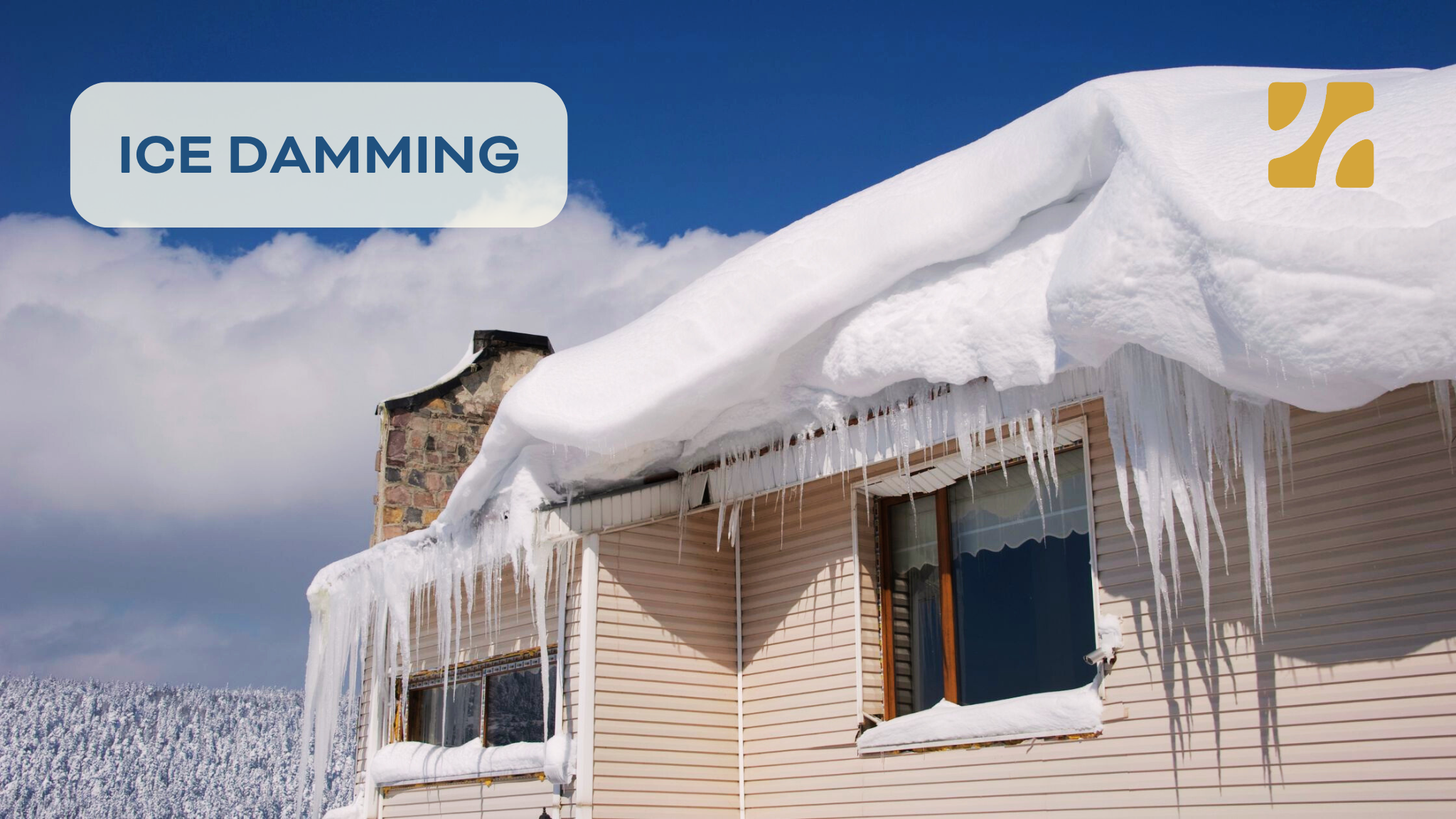
Winter brings beautiful snowy landscapes, but it also brings challenges for homeowners—one of the most damaging being ice damming. Ice dams occur when heat escapes from your home, warming the roof and causing snow to melt. As the water flows down, it reaches the colder edges of your roof and refreezes, forming a thick ridge of ice along the gutters. Over time, this ice buildup prevents proper drainage, forcing water to back up under the shingles and into your home, causing leaks, structural damage, and costly repairs.
Older homes are especially vulnerable to ice damming due to air leakage, insufficient insulation, and inadequate attic ventilation. However, any home—regardless of age—can be affected if proper precautions aren’t taken. "We’ve personally experienced the effects of ice damming this winter," says Martin, owner of Gold Level Contracting. "When warm and cold air mix improperly in your attic, it creates an ideal environment for ice dams to form."
The good news is that ice damming is completely preventable with the right seasonal maintenance and home improvements. By taking proactive measures such as installing heating cables, improving attic insulation, and ensuring proper ventilation, you can protect your home from costly water damage and structural issues. Keep reading to learn why ice dams form, the dangers they pose, and the best ways to prevent them before they cause serious problems.
"We've personally experienced the effects of ice damming this year. It’s a common problem, but the good news is that it’s completely preventable." – Martin, Owner of Gold Level Contracting
Let’s break down what ice damming is, why it happens, and how to protect your home before costly damage occurs.
What Is Ice Damming?
An ice dam is a ridge of ice that forms at the edge of a roof, usually along the gutters. This ice prevents melted snow from draining properly. Instead, the water backs up, seeping under shingles and into your home, causing:
Roof leaks that lead to water damage inside
Gutter damage from excessive ice weight
Wood rot and structural deterioration
Mold and mildew growth due to trapped moisture
Older homes are more prone to this issue due to air leakage and inadequate insulation. However, even newer homes can experience ice damming if gutters freeze and snow piles up.
Why Does Ice Damming Happen?
Ice dams form when warm air escapes from your home and heats your roof unevenly. Here’s how it happens:
Heat Escapes – Poor insulation and ventilation allow warm air to rise into the attic, creating hot spots on the roof.
Snow Melts & Refreezes – The warm roof melts snow, but as the water flows down, it reaches colder eaves and gutters, where it refreezes.
Ice Builds Up & Blocks Drainage – The ice thickens, trapping melted water behind it. With nowhere to go, the water seeps under shingles and into your home.
"The melted snow accumulates on the gutters and builds up as ice. With milder temperatures, the water has nowhere to go and finds its way inside the house." – Martin, President of Gold Level Contracting
This cycle continues throughout the winter, worsening the damage if left untreated.
How to Prevent Ice Damming: Proactive Solutions
The good news? Ice damming is 100% preventable with seasonal maintenance and the right home upgrades. Here’s what you can do:
✔ Improve Insulation & Ventilation
Upgrade attic insulation to prevent heat loss
Ensure proper ventilation to regulate attic temperature
Seal air leaks around light fixtures, chimneys, and vents
Learn more about attic insulation from Energy Star
✔ Install Heating Cables for Your Roof & Gutters
Heating cables prevent ice buildup and allow water to drain properly
These cables are energy-efficient and cost-effective
Installed through gutters and downspouts to keep water flowing
✔ Keep Your Roof & Gutters Clear of Ice and Snow
Use a roof rake to remove snow buildup after heavy snowfall
Clear gutters and downspouts before winter starts
Inspect your roof regularly for ice accumulation
Why You Should Act Now
We’ve seen firsthand how ice damming causes thousands of dollars in damage—but it doesn’t have to happen to you. Preventative action can save you time, money, and stress by avoiding:
Interior water damage from leaks
Roof and structural damage
Gutter collapse due to heavy ice
Mold and mildew problems from trapped moisture
Don’t wait until spring to fix winter damage—protect your home now.
Protect Your Home from Ice Damming Before It’s Too Late
Ice damming is a common but preventable winter issue that can lead to roof leaks, structural damage, and costly repairs. It occurs when warm air escapes from your home, melting snow on your roof, which then refreezes in the gutters, causing ice buildup and water backup. Older homes are particularly vulnerable, but any home with poor insulation, inadequate ventilation, or clogged gutters can experience this problem.
The best way to prevent ice dams is by taking proactive measures, including improving attic insulation and ventilation, installing heating cables, and keeping your roof and gutters clear of snow and ice. These steps help regulate roof temperature, allow proper drainage, and protect your home from water damage.
At Gold Level Contracting, we’ve personally experienced the effects of ice damming and know how frustrating and costly it can be. The good news? It’s completely preventable. If you suspect ice buildup on your home or want to take preventive action, our team is here to help. Reach out to us today to discuss customized solutions that will keep your home safe, dry, and damage-free all winter long.
Need Help? Let’s Talk Solutions
If you’ve noticed ice buildup, water leaks, or signs of ice damming, Gold Level Contracting is here to help. We can:
Assess your home for ice dam risk
Install heating cables to keep gutters clear
Upgrade insulation & ventilation for long-term protection
Get ahead of winter damage today!
Protect your home before the damage happens—let’s make sure your winter is worry-free!